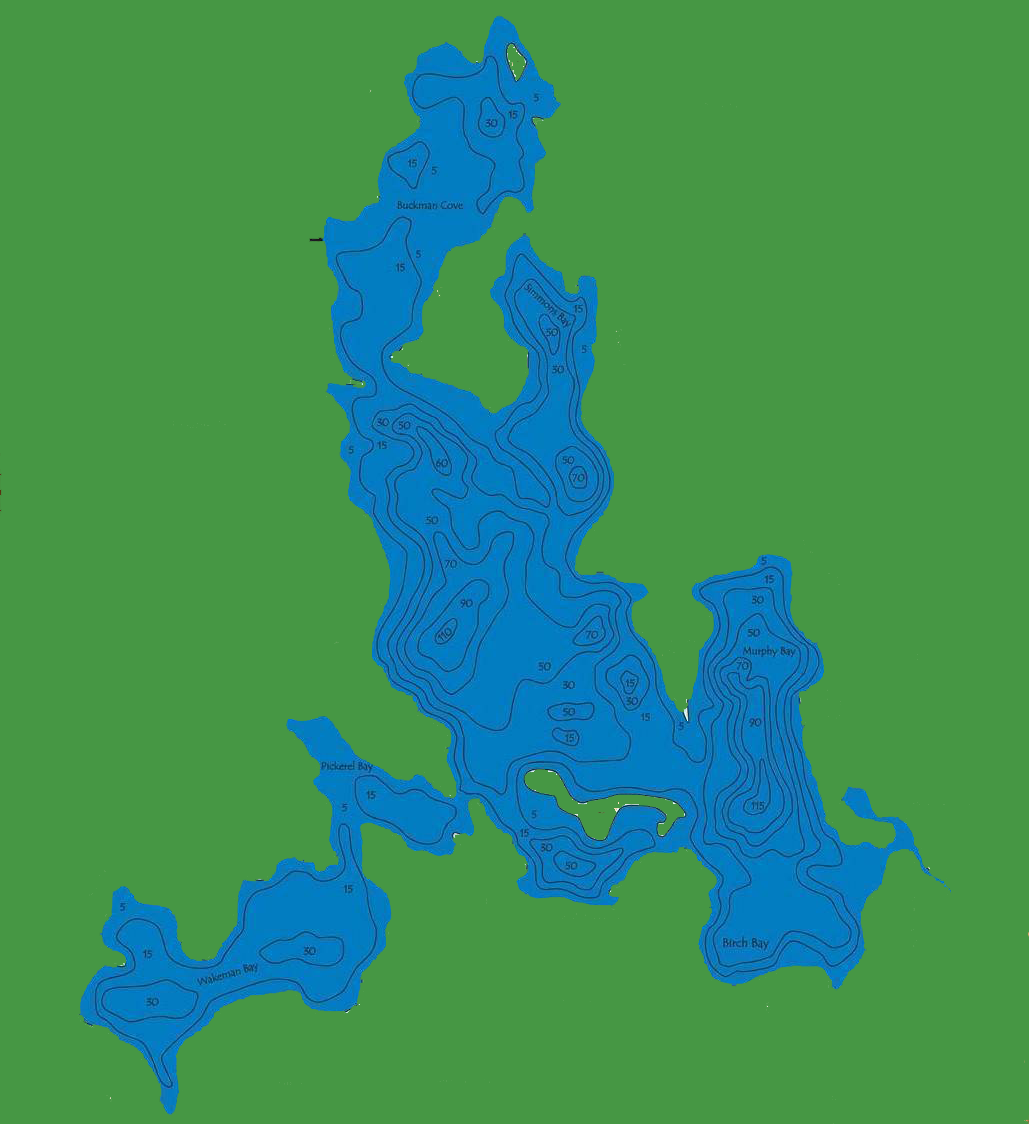
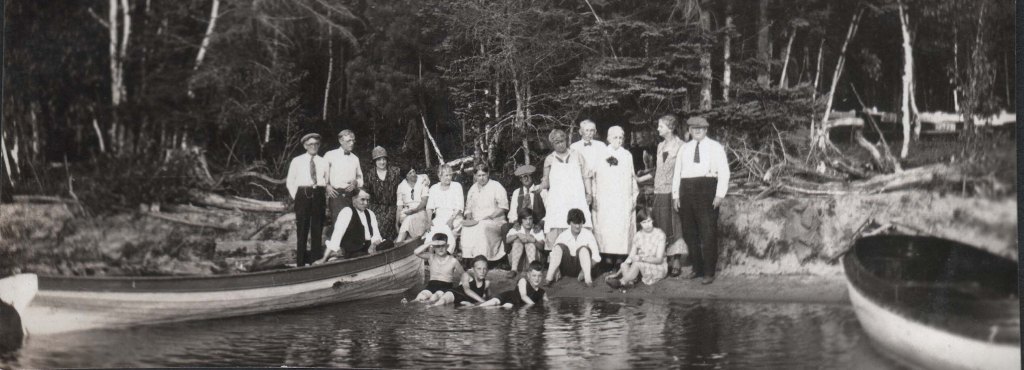
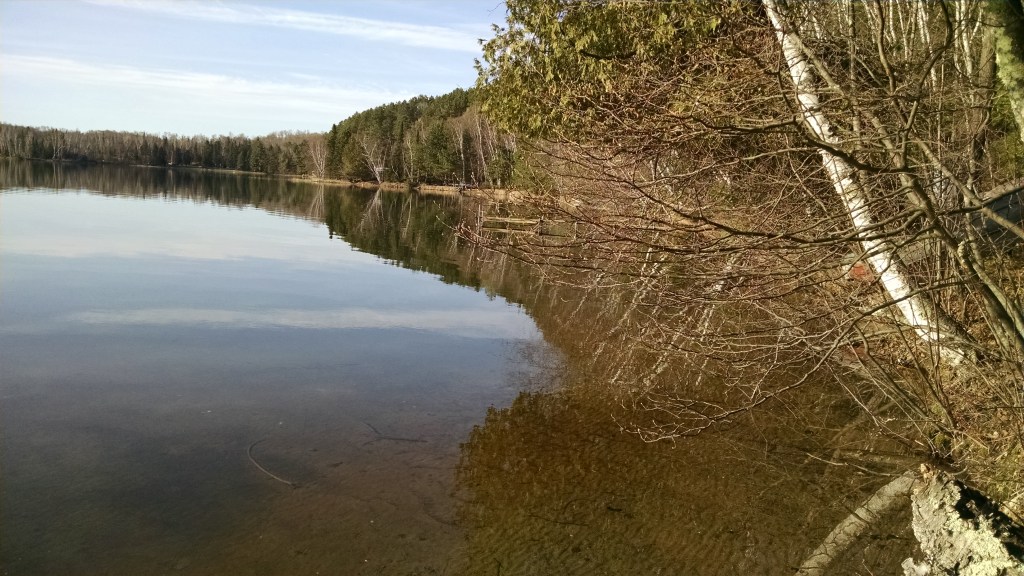
Who we are: We are the family next door. We have the distinction of being the heirs to the conservation legacies of the Simmons, Meader and Downing families. Since 1906 we have managed lands and shores around the Wabana Chain of lakes for the benefit of all who enjoy the clean waters and outstanding recreational resources of this region. We are not wealthy, except in our vision that families have a unique role to play in increasing the diversity of management approaches used on natural lands. We pay a great deal of money to local and state governments for this privilege. Too often, their vision is that all land that can be developed should be developed. Our vision is that people come to this unique area because of the beauty and good environmental quality. Although we could become rich by developing this shore and forest, we have been managing this forest and shore for water quality protection, habitat enhancement, and long-rotation forest products.
We are teachers, consultants, writers, entrepreneurs, retailers, office workers, artists, designers, scientists, moms, dads, kids and grandparents. We are workers, retirees, and students. We are well and we are ill. We are old and we are young. We are just like most people. Our family project for a century has been to make sure that other families like ours can enjoy clean water, abundant and diverse wildlife, and look at and enjoy forests and shores that are unspoiled yet productive and beautiful. Because we are educators, scientists and communicators, we also feel that land and shore like this has an important and growing role to play in helping all of us to learn about and understand the workings of this set of unique ecosystems.
Our history and our role in a century of foresighted land use in northern Minnesota.
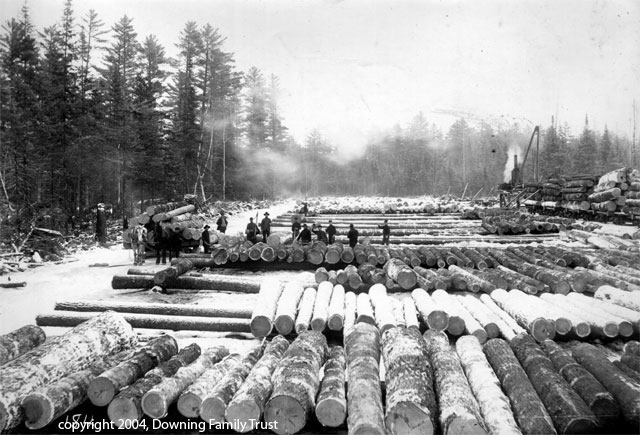
In the late 1800s and early 1900s, land was inexpensive because it had been cut over for lumber. The image above is a family photograph taken showing the loading of logs near Grand Rapids, Minnesota, near the turn of the century. Much of the land in this region had been old-growth white (Pinus strobus) and red pine (Norway Pine; Pinus resinosa). These trees were very valuable because much of the pine in the east had already been cut for lumber.
Thomas H. Simmons saw the potential in this land for recreation, forestry, farming, and the building of new lives for people displaced by World War I. He bought a great deal of this land and sold it at reasonable prices to immigrants from Finland, Sweden, Norway and other nations. He also chose some of the best recreational land to preserve and make accessible to people from the Midwestern US. He founded a recreational colony on Arrowhead Point of Wabana Lake that is now on the United States Register of Historic Places (Note in 2024: we have recently searched for this on the Register and have been unable to find it- we will update this information if we find further info).
Simmons helped to set up immigrants in their new homes. He generously c:o-signed loans for building materials for them. When the great depression hit, he was left with massive payments for building materials as the new residents were forced to default on their payments. To pay for these catastrophic costs, he donated large tracts of land that formed part of what is now Chippewa National Forest. He saved the best piece of land (now the Wabana Trust) much of which escaped the big forest fires that followed logging. The northern end (the burned part) was used starting in 1906 for grazing cattle but was reclaimed to restored forest in the mid 20th century. He also saved a few other parcels of land for his daughter, Deborah Simmons Meader, that she used to supplement her income. She was the primary family provider. She is known for her travels throughout the state of Minnesota following the depression, training unemployed people in puppetry as part of the WPA program.
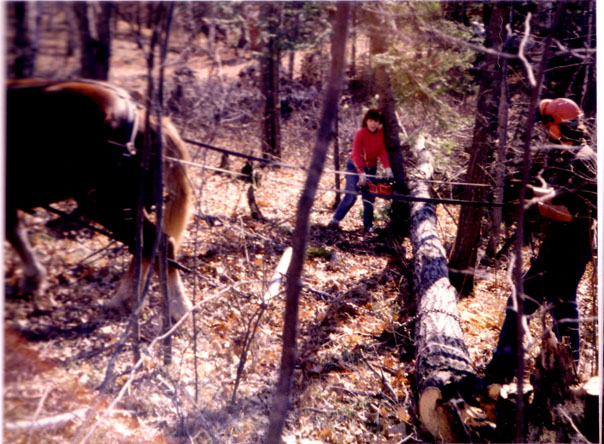
William Downing’s family purchased a vacation home on Wabana Lake in the 1930s. He met Amos and Deborah Meader’s Daughter Betsy (Mary Elizabeth) at Arrowhead Point and they were married following World War II. Two of their children (John, and Elizabeth) and their four daughters (Kate, Anna, Jessie, and Emily) form the nucleus of the Wabana Trust, but share the responsibilities with spouses, grand children, and relatives. We have managed this land and shore actively since 1956, and have followed officially recognized forest management plans since 1987.
For more on our family’s history in Itasca County and the Wabana Chain of Lakes, please watch our video we made for the Wabana Township centennial in 2021.
 The Wabana Lake Family Trust